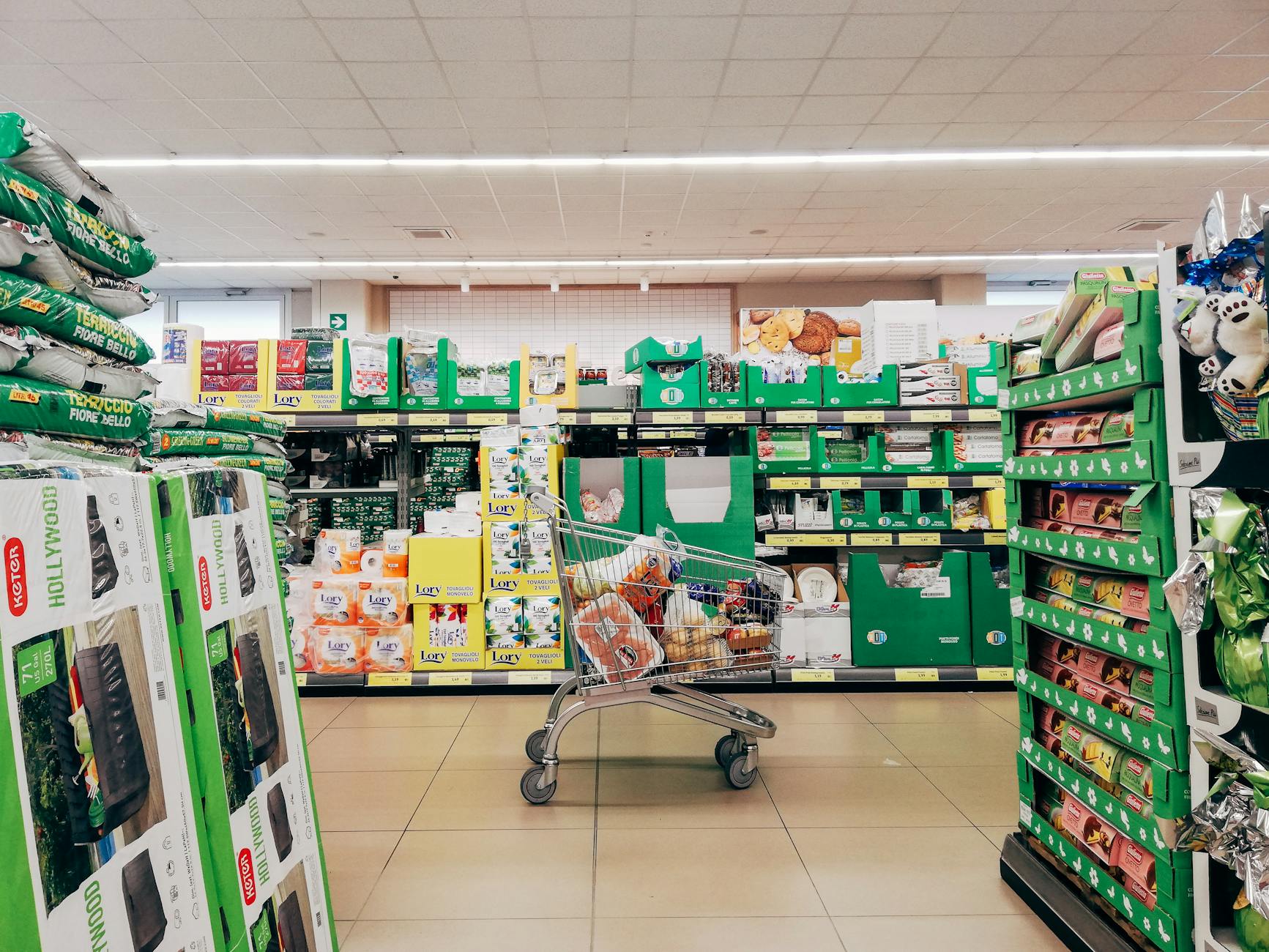
Welcome to the Hidden Game of Grocery Shopping
Your grocery cart is a crystal ball. Peek inside and you’ll see the week you’re about to have: rushed, expensive, and snack-fueled… or calm, tasty, and budget-friendly. The twist? Supermarkets are engineered like tiny Vegas casinos—no slot machines, but plenty of lights, scents, and “deals” designed to make you spend just a little more.
Fun fact: The average supermarket stocks over 30,000 items. That’s not a store—it’s a choose-your-own-adventure novel, and the aisles decide the plot if you don’t.
Here’s where it gets interesting: with a few smart moves, you can flip the script. This playbook walks you through psychology-proofing your trip, planning meals that actually happen, keeping food fresh longer, and trimming your bill without eating instant noodles for a month.
The Psychology of the Aisles: How Stores Nudge You
Eye-Level Is Prime Real Estate
Those eye-level shelves? They’re the Times Square billboards of the grocery world—often reserved for national brands that pay for placement. Meanwhile, budget-friendly store brands lurk a shelf higher or lower.
Try this now: Next time you reach for your usual cereal, scan up and down. You’ll often find a duplicate ingredient list at a lower price one shelf away.
The Soundtrack, Scent, and Stroll
A classic supermarket study found that slower music can make people linger—and spend—more. Freshly baked bread near the entrance isn’t a coincidence either; it nudges hunger (and impulse buys) before you’ve hit the produce.
Counter-move: Eat first, shop second. Or bring a small snack. Hungry-me is a very different shopper than satisfied-me.
The Milk-in-the-Back March
Milk, eggs, and staples are often in the far corners so you walk past more temptations on the way. It’s not evil; it’s economics.
Pro tip: Start your trip at the back, grab the must-haves first, and work forward. Reaching the front with the essentials in your cart makes you choosier about add-ons.
The “Limit 12” Mirage
Ever see a “limit per customer” sign? That cap can act like a psychological anchor, nudging you to buy more than you planned. Don’t let signs set your agenda—let your list do that.
Takeaway: Once you spot the nudges, you can walk the aisles with Jedi-like calm.
Build a Battle Plan: Lists, Meals, and a 3-2-1 Map

Shop Your Kitchen First
Before you step out, raid your pantry and freezer. Most people already own the backbone of dinner—pasta, rice, beans, spices—but forget to use it. A quick scan prevents duplicates and sparks ideas.
Do this today:
- Open your freezer, write down 3 proteins or mains you already have.
- Check produce drawers for “use-me-now” veggies.
- Build meals around those anchors.
The 3-2-1 Meal Map
Meal planning sounds intense. It doesn’t have to be. Use a simple framework:
- 3 easy dinners (15–25 minutes, minimal chopping)
- 2 quick lunches (preppable or grab-and-go)
- 1 freezer-friendly meal (for future you)
Example week:
- Dinners: Sheet-pan chicken and veggies; shrimp tacos; gnocchi with spinach and tomatoes.
- Lunches: Greek yogurt bowls; grain bowls with roasted veg.
- Freezer: Turkey chili or a veggie lasagna.
Result: You reduce decision fatigue and dodge midweek takeout.
The Gold-Standard List
A list isn’t a list; it’s a map. Organize by store section so you don’t boomerang across aisles:
- Produce: greens, berries, carrots
- Proteins/Dairy: eggs, tofu, chicken thighs, milk
- Center aisles: oats, canned tomatoes, chickpeas
- Freezer: edamame, peas, bread
- Household: dish soap, foil
Fun fact: Shoppers who use a list tend to make fewer impulse purchases and stick closer to budget. Your future self says thanks.
Tools That Make It Painless
- AnyList, Out of Milk, or a shared note for live-updating lists
- Flipp or Basket to compare weekly ads
- The USDA FoodKeeper App for storage timelines
- Reminder hack: Keep a small whiteboard on the fridge; snap a photo before you go
Takeaway: A 10-minute plan can save you 10 unhappy decisions later.
Price Smarts: Unit Pricing, Sales, and Store Brands
Unit Price Always Wins
Shelf tags usually list the unit price (per ounce, per pound, per count). Bigger isn’t always cheaper; promos can flip the math.
Quick drill: Compare two peanut butters. One is $3.99/16 oz (25¢/oz), the other $5.49/28 oz (19.6¢/oz). The second looks pricier—but costs less per ounce. Unit price for the win.
Decode the Sale Sticker
- BOGO: Great if you’ll use it. Useless if it dies in your crisper.
- Loss leaders: Rock-bottom prices on staples get you in the door. Build meals around them.
- Rain checks: If a sale item is out, ask. Some stores honor the sale price later.
Pro tip: Take photos of sale tags to cross-check when you get home. It’s oddly satisfying and keeps you honest.
Store Brands Are Having a Moment
Store brands have seriously leveled up. Many are made in the same facilities as big names and perform just as well in blind taste tests. Try this swap strategy:
- Staples first (oats, canned tomatoes, beans)
- Baking basics (flour, sugar, spices)
- Frozen veggies and fruit
If a swap flops, revert. But odds are your taste buds (and wallet) won’t mind.
Coupons, Loyalty, and Cash-Back Apps
- Clip digital coupons in your store app—no scissors required.
- Check Ibotta or Fetch for cash back on things you actually buy.
- Stack savings: Sale price + store coupon + manufacturer coupon can combine at some stores.
Financial note: If you use a rewards credit card, those “grocery” bonus categories can add up—just don’t carry a balance. For personalized financial guidance, consult a professional.
Takeaway: Once you track unit prices and embrace smart swaps, your receipt starts cheering you on.
Fresh Food That Actually Stays Fresh

Master the Crisper Drawers
Your fridge has microclimates:
- High-humidity drawer: Greens and herbs (slows wilting)
- Low-humidity drawer: Fruits that emit ethylene (apples, pears) so they don’t age others
Keep apples away from leafy greens unless you enjoy lettuce that ages like a Hollywood time-lapse.
Herbs, Berries, and Salad Greens
- Herbs: Treat like flowers—trim stems and stand in a jar of water in the fridge (cilantro, parsley). Basil prefers room temp.
- Berries: Rinse right before eating. If you must rinse early, a quick dip in 1:3 vinegar:water, then dry thoroughly, can help.
- Greens: Slip a paper towel into the container to absorb moisture.
Result: Fewer slimy science experiments in the back of your fridge.
The Freezer Is a Time Machine
Use it to stop the clock:
- Flash-freeze fruit: Spread banana slices or berries on a tray, freeze, bag. No clumps.
- Bread: Freeze half the loaf, toast from frozen.
- Batch-cook proteins and grains in portions.
- Label and date. FIFO = First In, First Out.
Did you know? According to USDA guidance, many frozen foods keep best quality for 3–12 months—check the FoodKeeper app for specifics.
Ripening and Ethylene 101
- Bananas, avocados, and tomatoes release ethylene gas, which speeds ripening. To ripen an avocado faster, place it in a paper bag with a banana. To slow it, separate them.
- Store tomatoes on the counter for best flavor. Refrigerate only if fully ripe to delay spoilage.
“Sell By,” “Best By,” and Reality
Date labels usually indicate peak quality, not an instant safety switch. When in doubt, use common sense and trusted resources like the USDA FoodKeeper app. For food safety issues, consult a professional source.
Takeaway: Storage technique beats good intentions every time.
Waste Less, Eat More: The Zero-ish Waste Toolkit
The Power Hour Prep
Set a timer for 60 minutes post-shop:
- Wash and chop sturdier veg (carrots, peppers, broccoli)
- Roast a sheet pan of mixed veg for bowls
- Cook a pot of grains (rice, quinoa)
- Portion snacks (nuts, cut fruit, cheese, crackers)
If it’s prepped, it gets eaten. Future you will sprint past takeout menus.
Scraps Into Stock
Save onion skins, carrot peels, and herb stems in a freezer bag. When full, simmer with water for a fragrant veggie stock. Chicken bones? Same idea for bone broth. It’s like alchemy, but cheaper.
Leftover Alchemy
Plan “planned-overs”:
- Roast extra chicken → quesadillas → soup
- Cook extra grains → fried rice → breakfast bowls
- Extra roasted veg → hummus wraps → pasta toss
Theme nights help: Tacos Tuesday. Frittata Friday (aka “clean out the fridge in a skillet”).
Portion, Don’t Police
Make snack stations:
- Fridge bin: yogurt cups, cut veg, hummus
- Pantry bin: popcorn, trail mix, granola bars
It reduces random rummaging and keeps “where’s the snack?” Q&A to a minimum.
Compost (If You Can)
If your city or backyard setup allows, compost peels and coffee grounds. If not, many farmers’ markets accept food scraps. Less trash, more soil. Nature approves.
Fun fact: The USDA estimates 30–40% of the US food supply is wasted. Even small changes at home make a dent.
Takeaway: Waste less, save more, feel smug (the eco-friendly kind).
Timing, Routes, and Checkout Strategy

When to Shop
- Midweek mornings often mean fewer crowds and fresher restocks. Early weekend mornings can also be calm.
- Ask employees when markdowns happen (meat, bakery, produce). Friendly curiosity = timely bargains.
No universal “best time,” but your store has a rhythm. Learn it like a local café menu.
Map Your Route
- Hit the back first for essentials (milk, eggs, proteins).
- Shop produce second while your willpower is strong.
- Dive into center aisles with a target list.
- Swing by frozen last so it stays, well, frozen.
Bonus: Keep a small insulated bag in your trunk for ice-cream-emergency situations.
Self-Checkout vs. Human Touch
- Few items and barcodes? Self-checkout can be fastest.
- Produce codes, coupons, price matches? A human cashier often saves time and stress.
Pro move: Group items by destination at checkout (freezer, pantry, bathroom). Bag in zones so unloading is a breeze.
Bags, Bottles, and Bonuses
- BYO bags often earn small credits—and big sanity points when they don’t rip.
- Bring a water bottle. A hydrated shopper is a focused shopper.
- If your store allows, stack digital coupons before you leave the house; scan your loyalty card last to catch every deal.
Takeaway: A smooth route and smart checkout turn shopping from chore to short mission.
Try-It-Today Checklist
- Make a 3-2-1 meal map for the week.
- Build a sectioned shopping list from your pantry first.
- Compare unit prices on three staples you buy often.
- Pick one store-brand swap (oats, canned tomatoes, or frozen veg).
- Do a 30-minute post-shop prep sprint: wash greens, portion snacks, cook one grain.
Do just two of these and you’ll feel the difference by Wednesday.
The Bottom Line: Your Cart Is a Vote
Every grocery trip is a tiny election for the week you want. Vote for fewer headaches with a list. Vote for better meals with a simple plan. Vote for less waste with smarter storage. And vote for your budget with unit prices and savvy swaps.
You don’t need extreme couponing skills or a spreadsheet with 47 tabs. Just a few small, repeatable moves. The aisles may be designed to distract you—but now you’ve got the playbook. Happy shopping, and may your crisper stay forever un-soggy.